San Luigi Boarding School
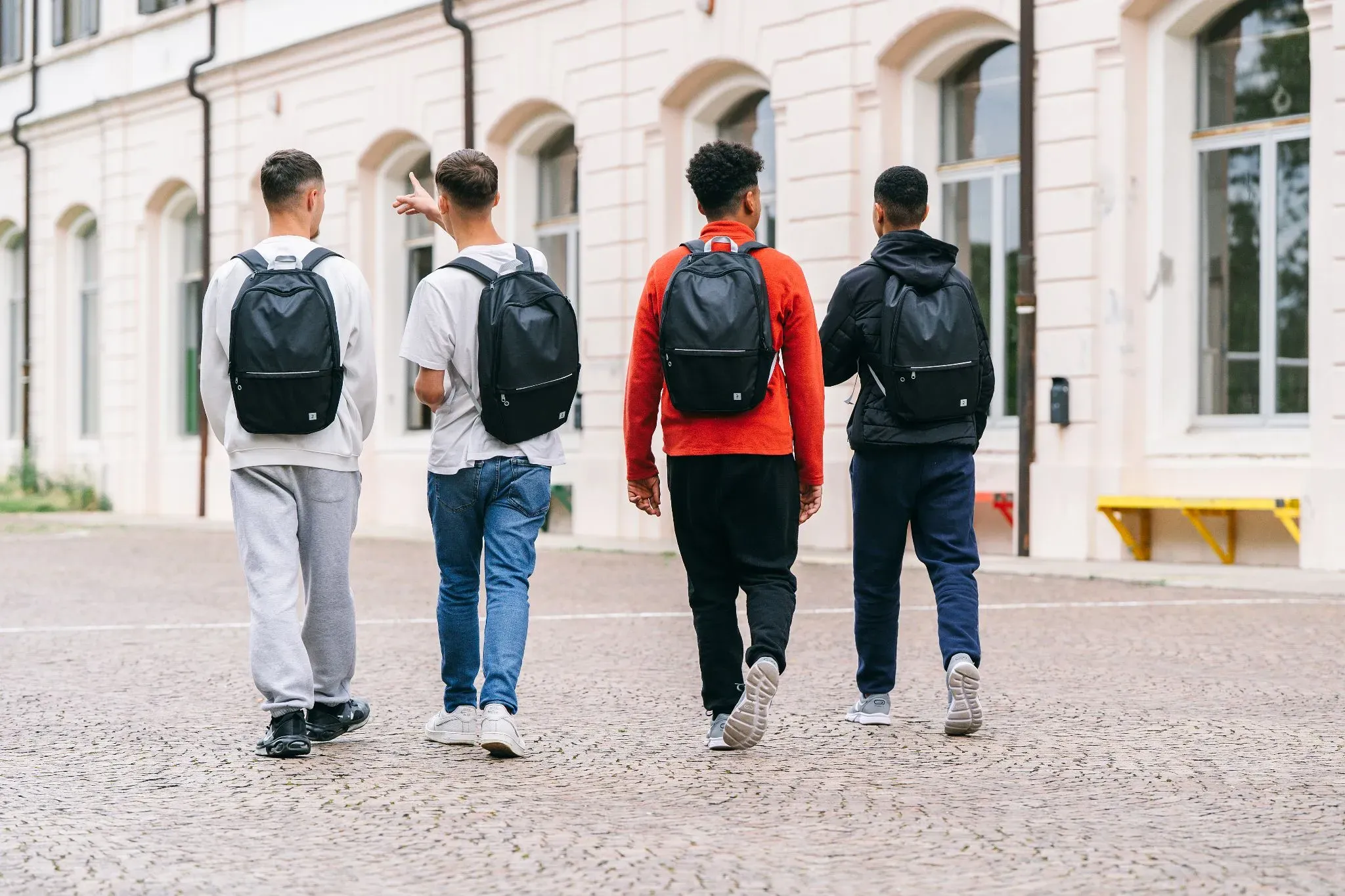
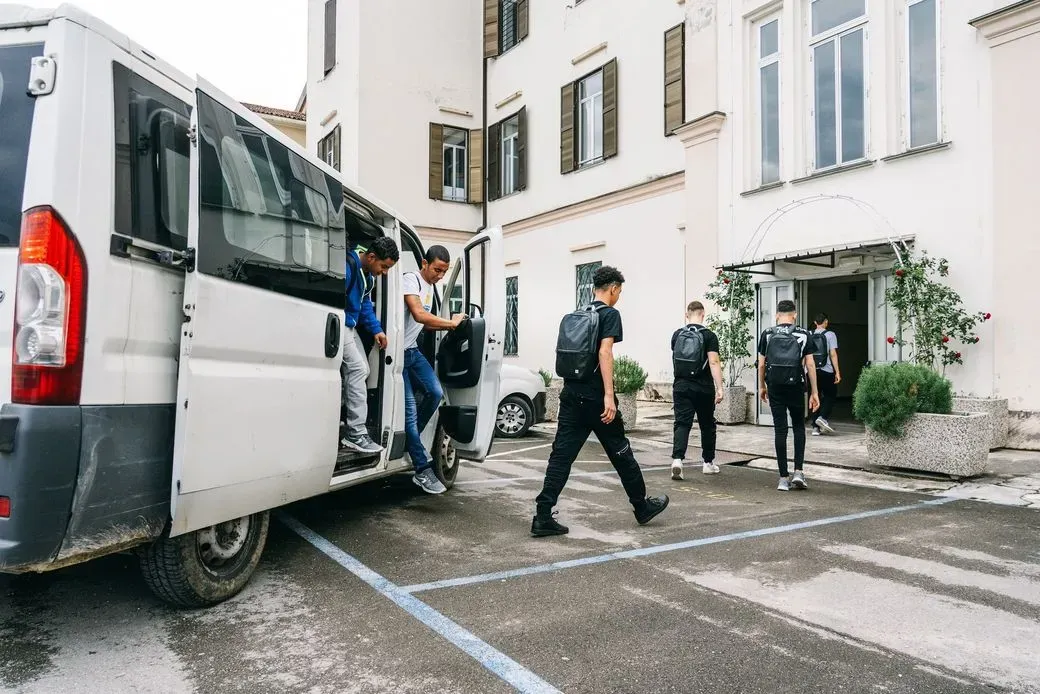
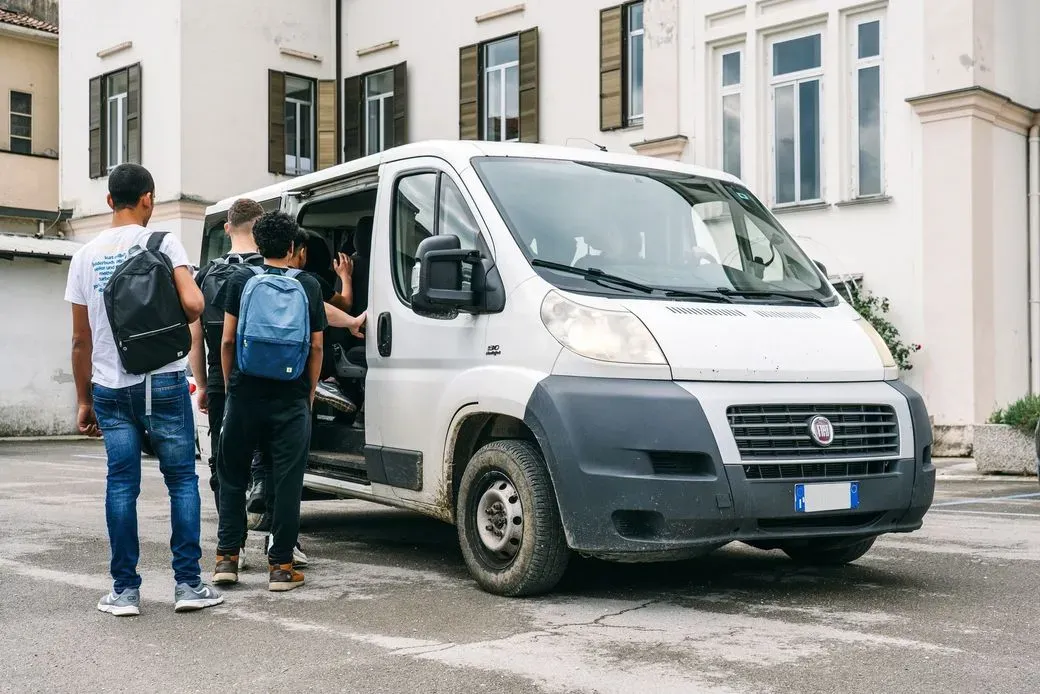
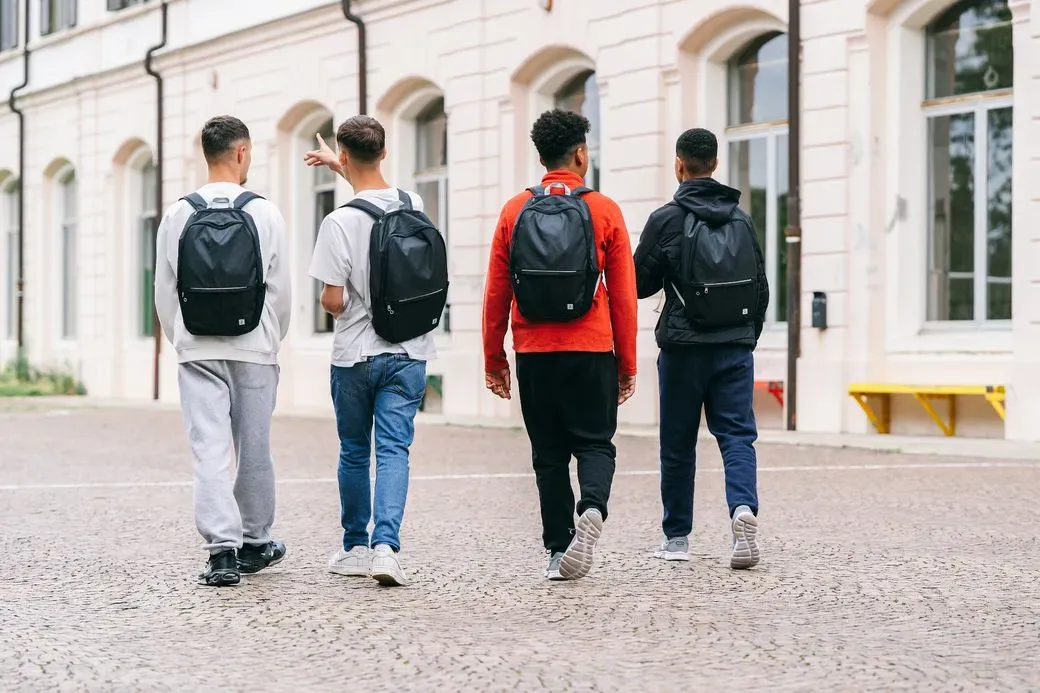
San Luigi Boarding School in Gorizia welcomes and supports Unaccompanied Foreign Minors (UFM), providing a safe educational environment, literacy and vocational training programmes, socio-cultural support, and personalised integration pathways into Italian society.
The First School Upon Arrival
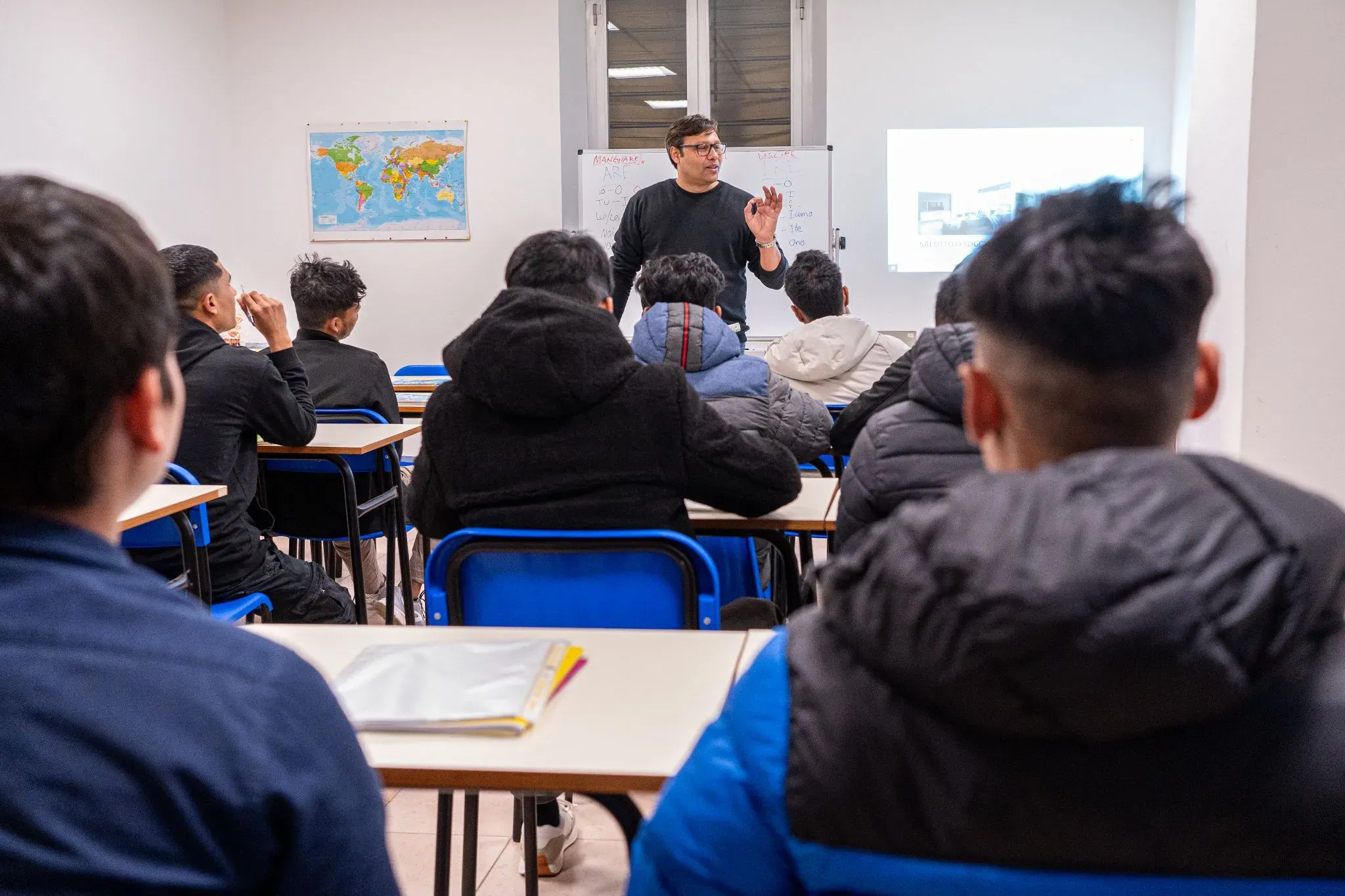
When a young person enters the Salesian Boarding School San Luigi, integration begins immediately and cannot be postponed. Learning the Italian language is an essential condition for exercising the right to education, accessing the public school system, navigating daily life, and building meaningful relationships.
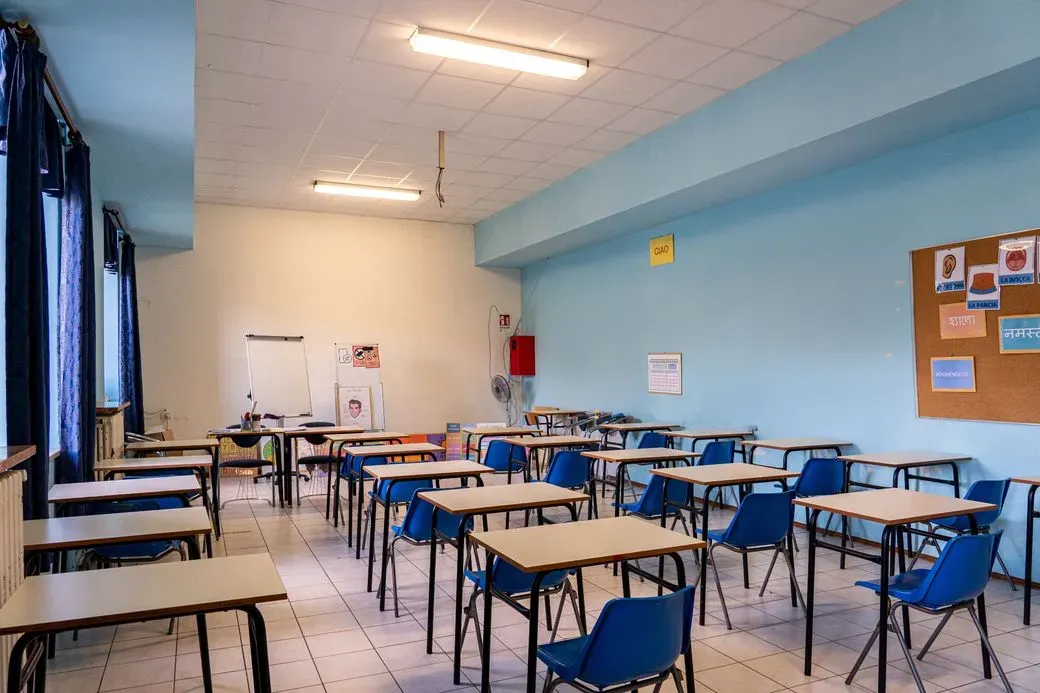
For this reason, the in-house literacy school is not an ancillary activity, but rather the first form of education that is effectively accessible to Unaccompanied Foreign Minors upon arrival. In this initial phase, the community fulfils a structural preparatory educational function, bridging the period between entry into Italy and enrolment in subsequent educational and training pathways.
Current legislation recognises the right to education as fundamental and non-deferrable. Within this framework, the immediate activation of linguistic literacy and educational orientation programmes is a necessary response to the right to education, especially for young people who arrive with very low levels of language competence, sometimes pre-literate or with non-Latin alphabets.
The educational activity of the Community is part of the national system for the reception, integration and education of unaccompanied foreign minors, as outlined, among others, in Presidential Decree (D.P.R.) No. 179 of 14 September 2011, which recognises the value of preparatory educational and training pathways leading to integration into the mainstream education and training system.
Accreditation as an authorised community both enables and requires the provision of educational activities.
The internal school at San Luigi therefore makes it possible to initiate a structured and documented educational pathway from the very first days, ensuring that the right to education is effective and not merely formal.
An Educational Service with Qualified Professionals
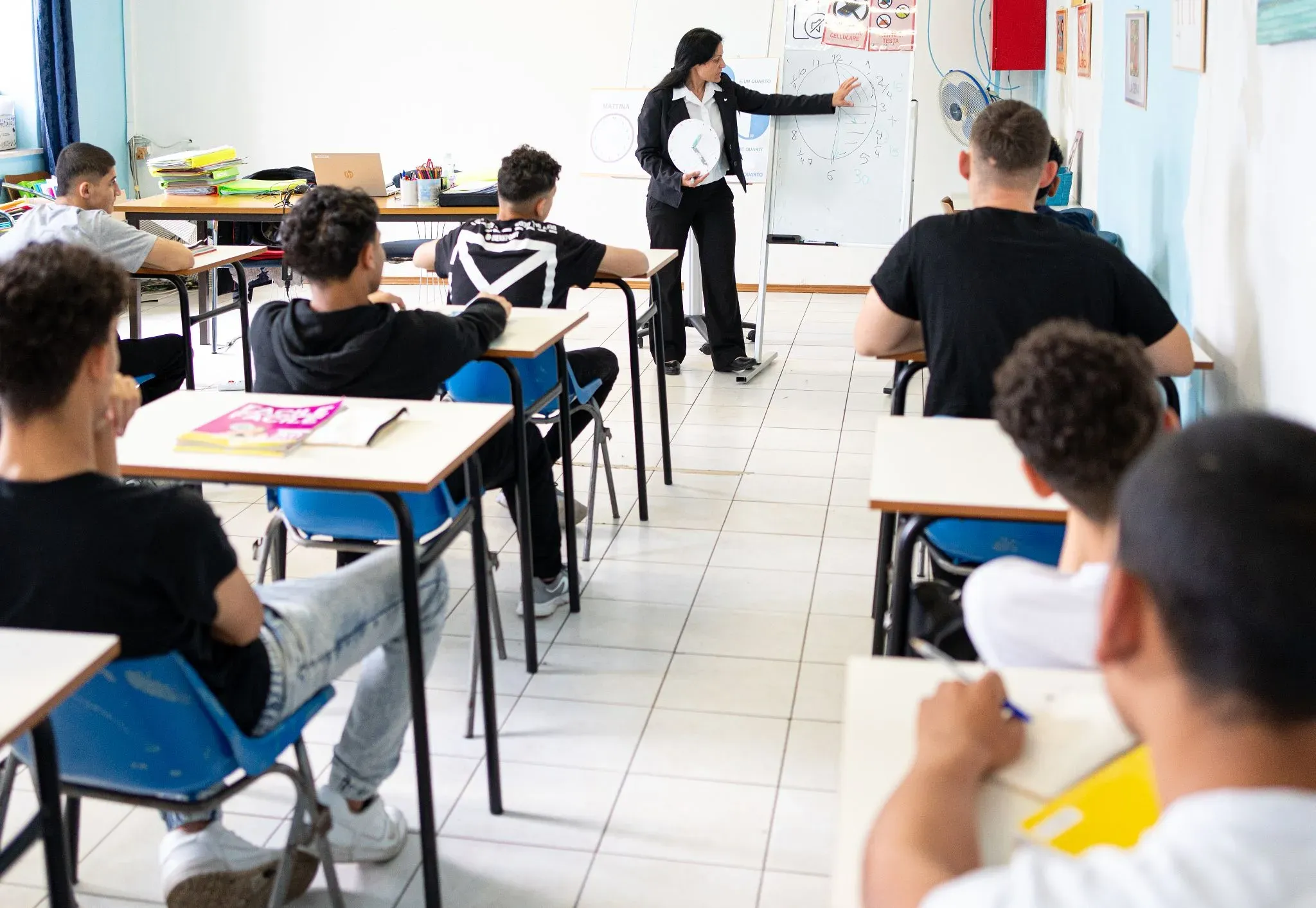
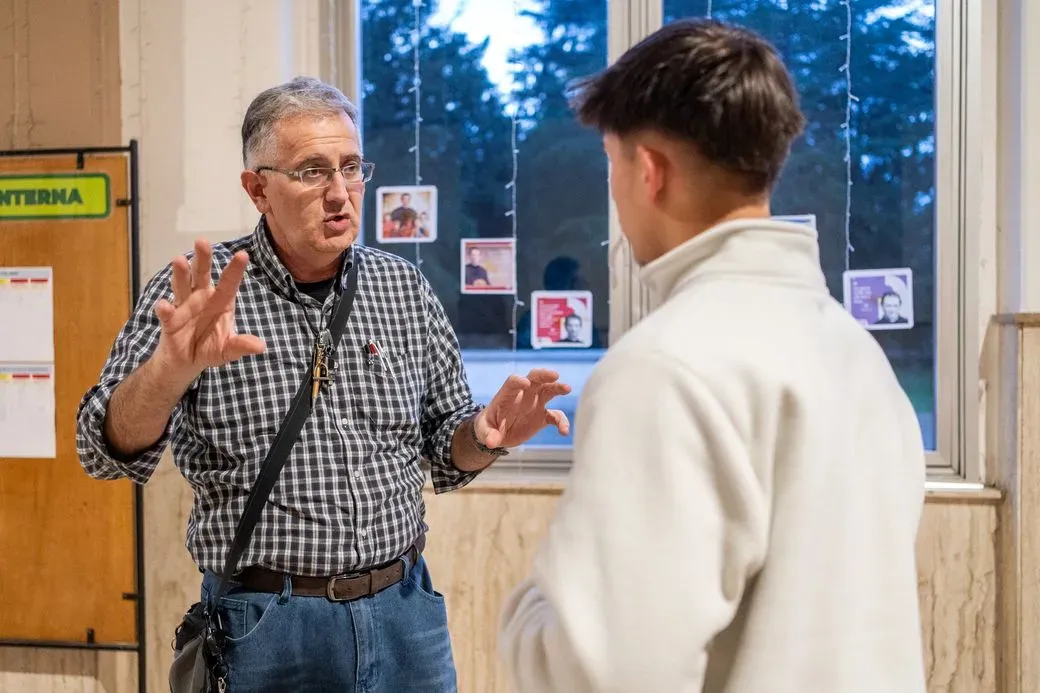
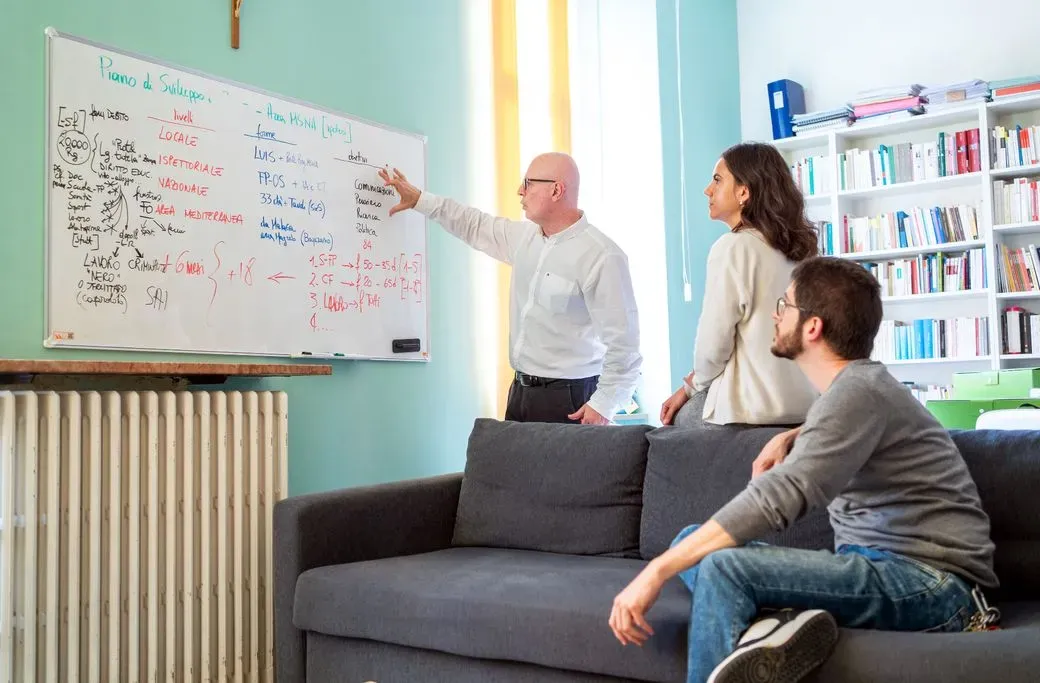
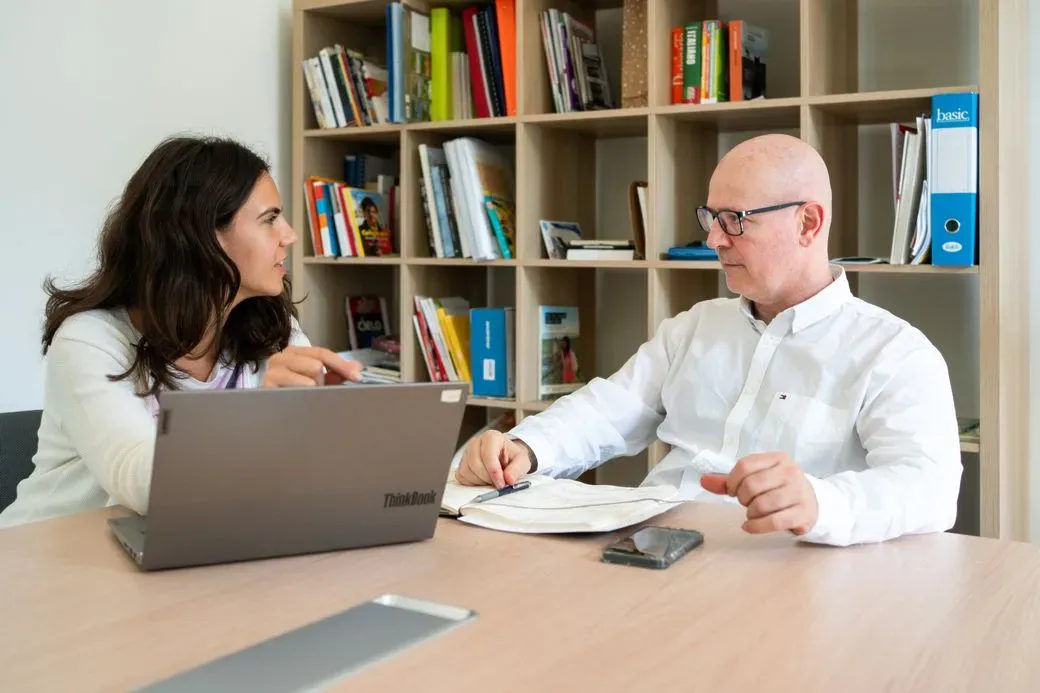
The Salesian Boarding School San Luigi operates as a socio-educational service in collaboration with local services. Daily activities are carried out by qualified socio-pedagogical professional educators, with specific training, capable of designing and supporting learning pathways in formal, non-formal and informal contexts.
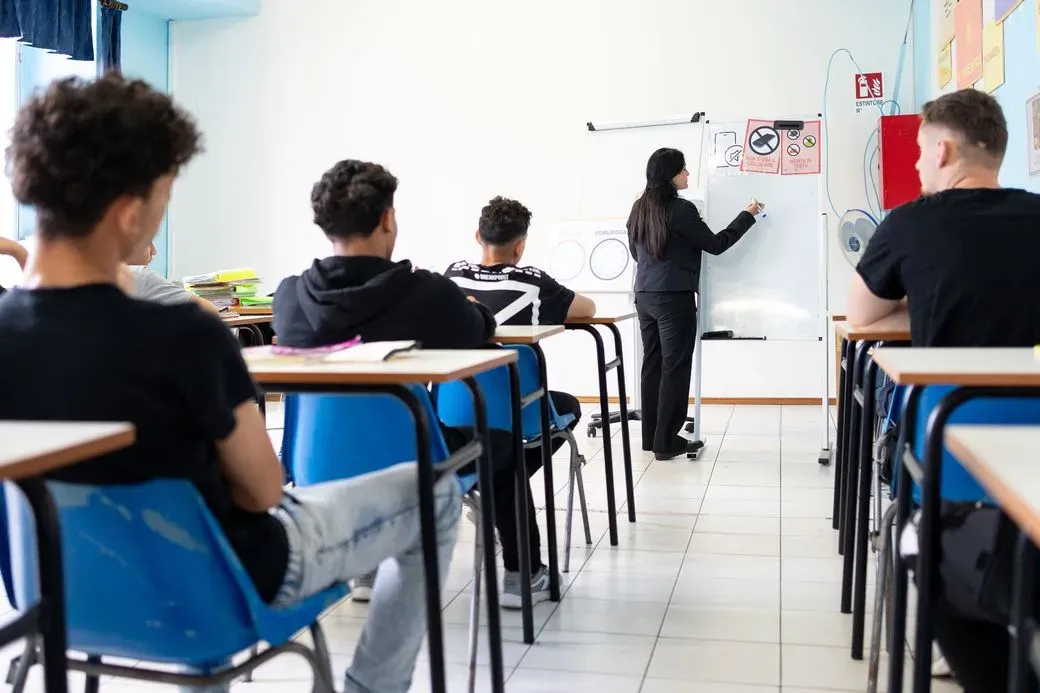
Many young people arrive with pre-A1 (or A0) language skills and, in some cases, with basic literacy difficulties or non-Latin alphabets. In such situations, mainstream schools often struggle to provide truly intensive and personalised support from the outset. Our school enables students to achieve the level of literacy necessary for access to upper secondary education.
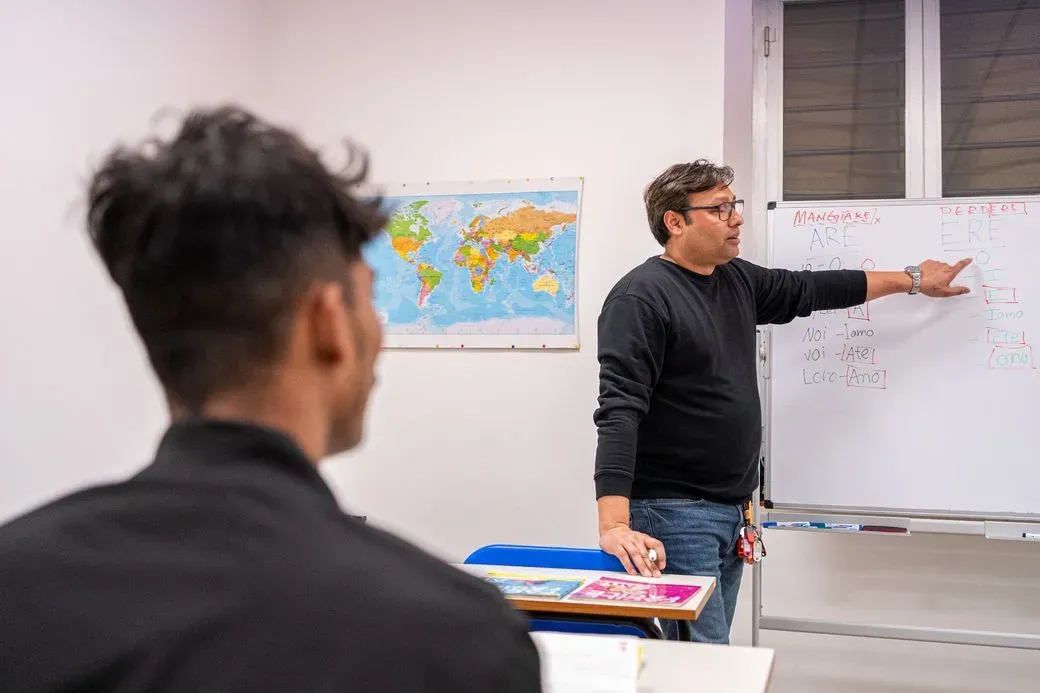
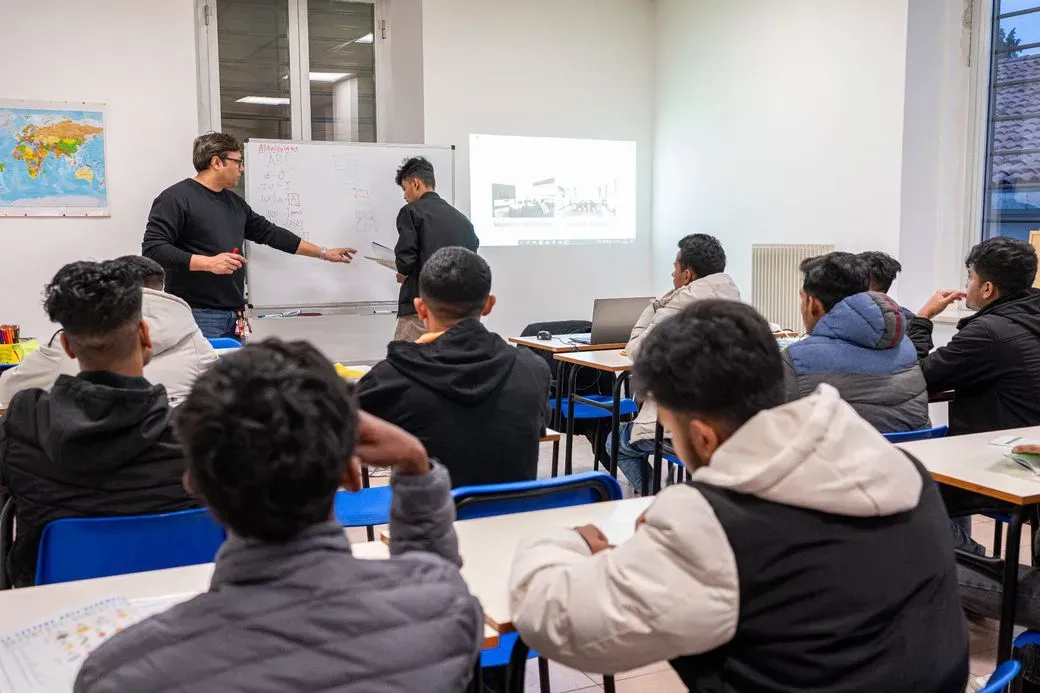
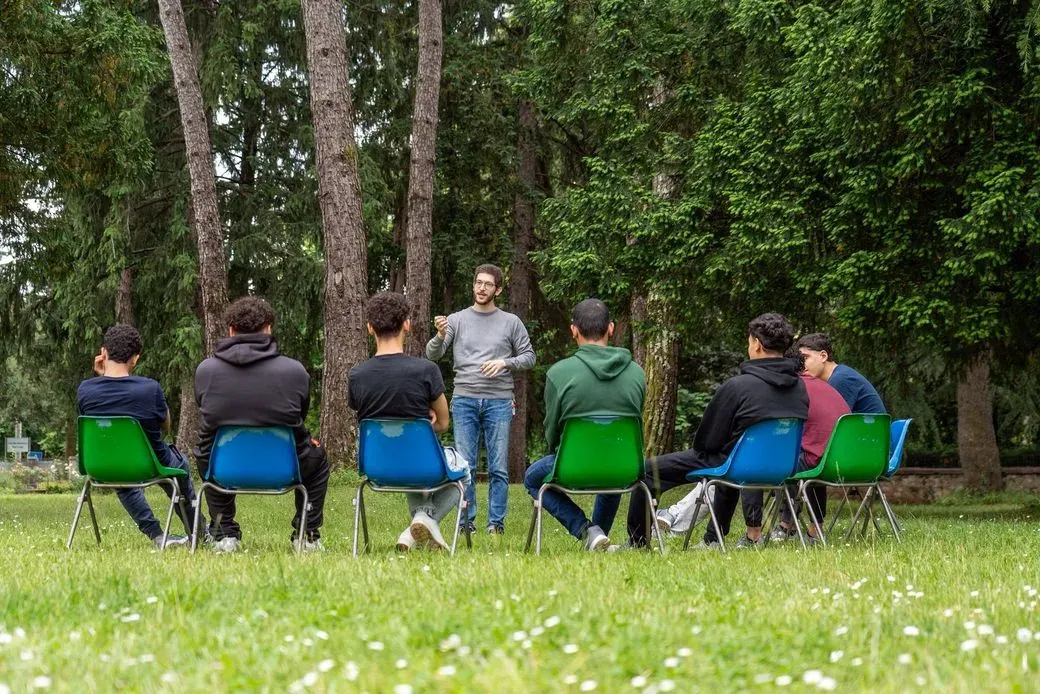
The “Educational Center for Unaccompanied Foreign Teenagers” allows for the immediate start of a gradual learning pathway: listening and speaking, reading and writing, everyday vocabulary, and orientation within the city and public services.
The goal is to guide each young person, step by step, towards a linguistic foundation that makes inclusion in external educational and training programmes both possible and meaningful.
Ministerial Recognition: Literacy Hours for Residence Permit Purposes
The educational activities provided are also recognised under Presidential Decree No. 179/2011 (Art. 11, paragraph 12, letter b), which governs the conversion of a residence permit for minor age into a permit for study or work purposes.
In application of this provision, administrative and case law practice recognises that literacy hours completed within reception communities are equivalent, for the purposes of assessing the minor’s social and linguistic integration, to those completed in formal education pathways.
This ministerial recognition is crucial: if literacy hours completed within the community have legal value equivalent to those of mainstream schooling for the purpose of residence permit conversion, it means that the Italian State considers the community’s educational activity to be education in its own right, and not merely social assistance.
Services Offered by San Luigi Boarding School
Italian as a Second Language (L2)
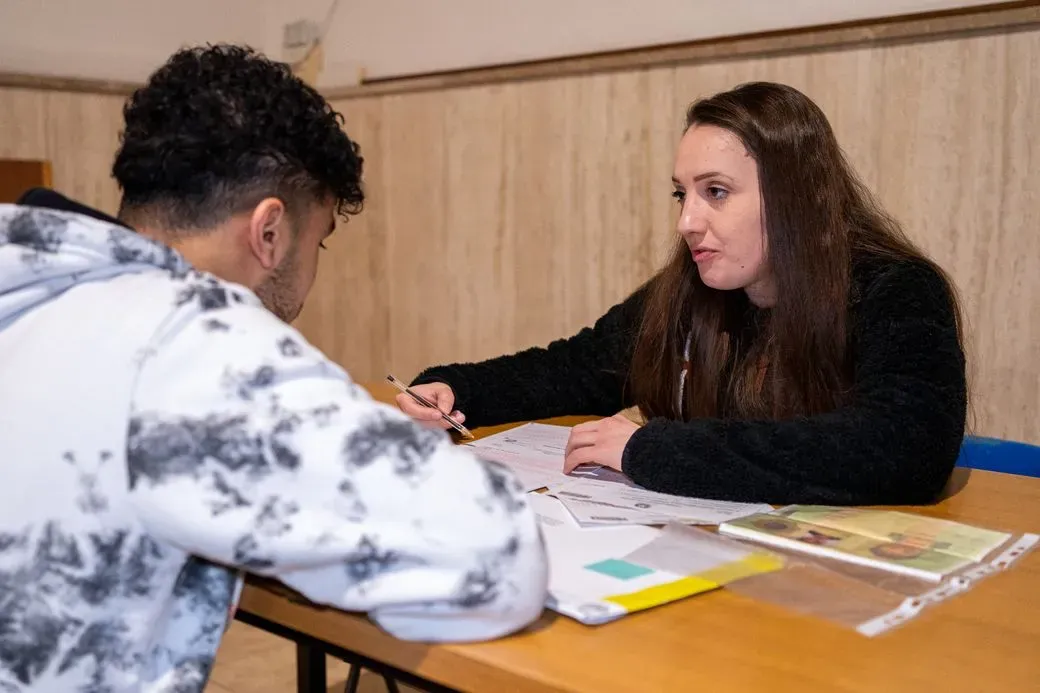
Spoken and written Italian, by proficiency level, awith individual and group activities
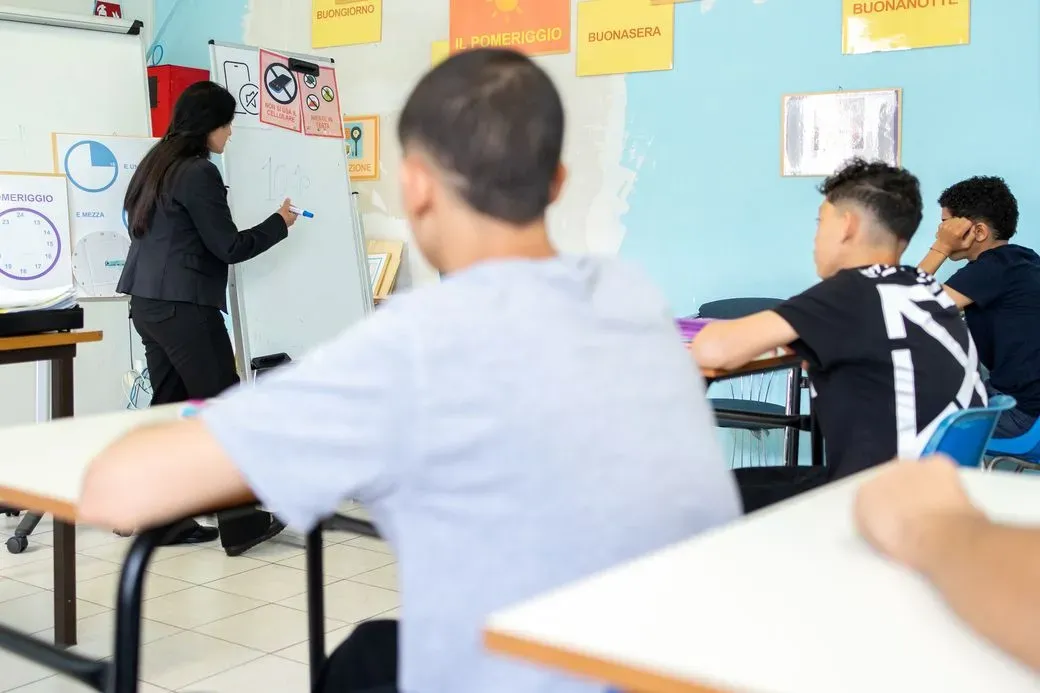
Civic education and citizenship
to learn rules, rights and duties, daily life, and the urban context
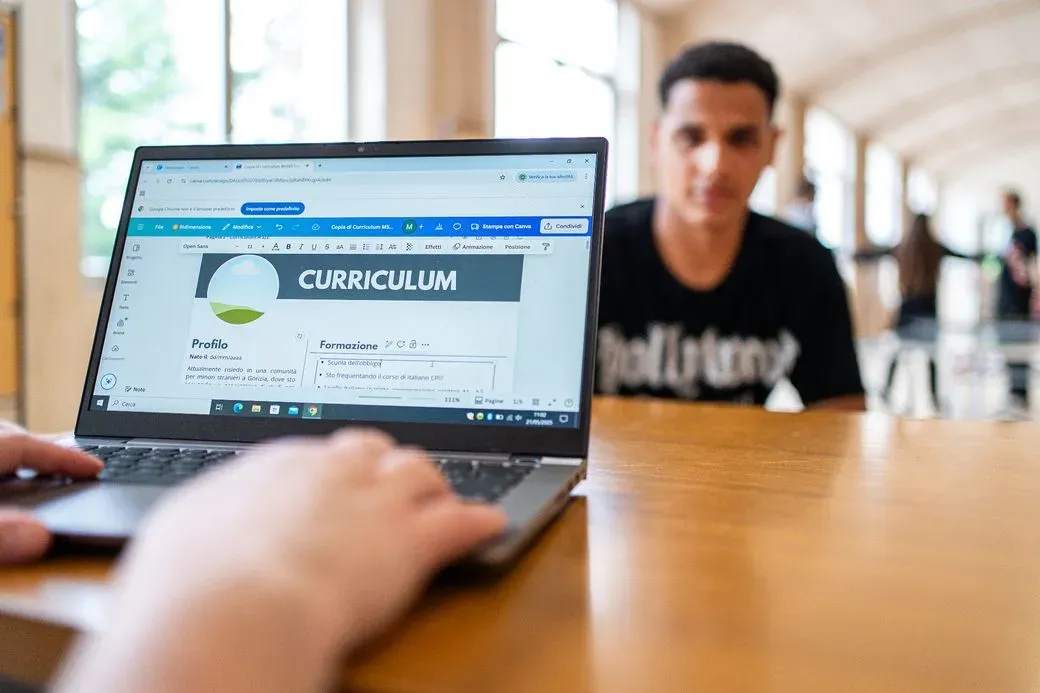
Guidance workshops
to develop practical skills and technical language (based on available opportunities)
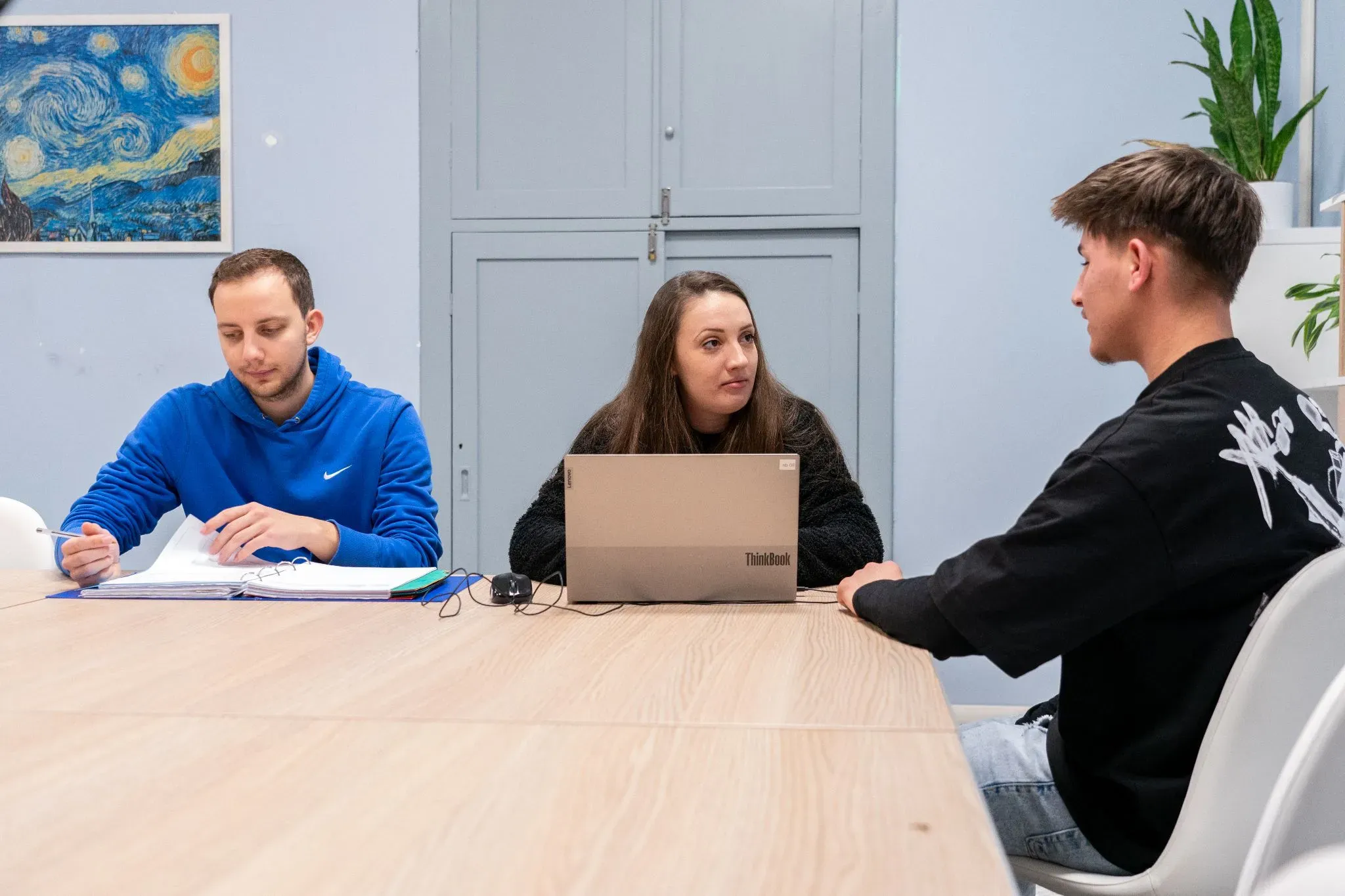
Personalised Pathways and Formative Assessment
Each pathway is built around the individual young person: clear objectives, progressive activities and frequent feedback.
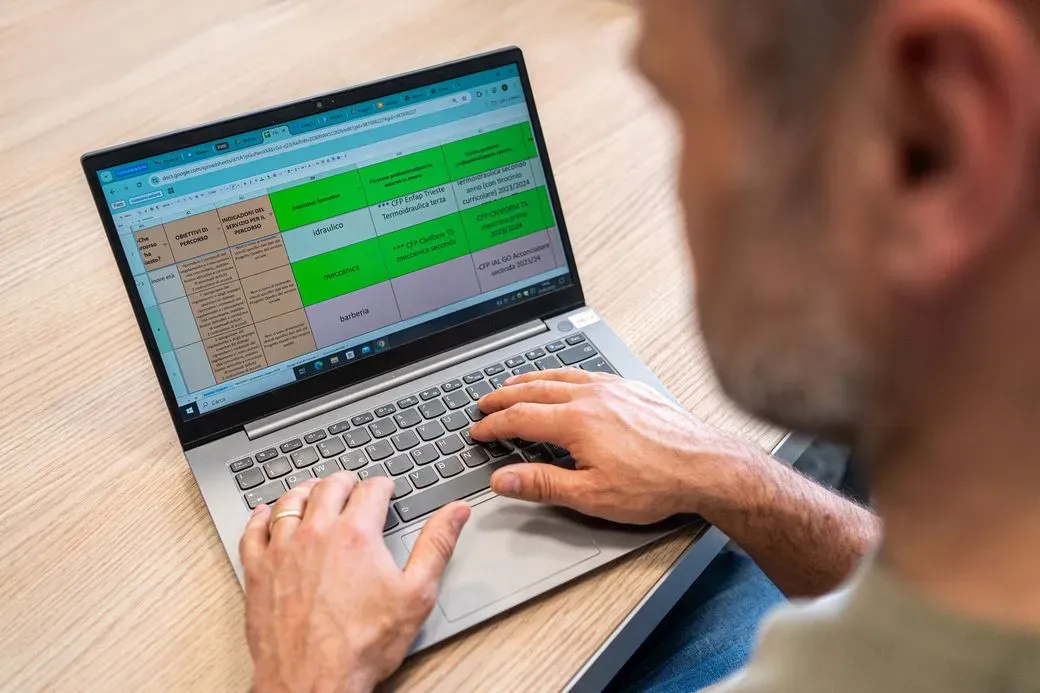
We document our work through shared tools (individual learning plans, registers, teaching materials and records of progress), ensuring educational continuity and orderly transitions towards school and vocational training.
When Time Is Limited, Effectiveness Is Essential
Many young people are close to reaching adulthood. For this reason, we invest in daily, practical learning, with micro-objectives and continuous reinforcement. Where appropriate, we use digital tools as educational support, always under pedagogical supervision.
San Luigi Boarding School
Some Legal References
Italian Constitution, art. 34
It establishes that education is open to everyone and that education is a fundamental right, compulsory and free in its initial stages.
The right to education cannot be postponed: learning must begin from the moment the child enters the community, without administrative delays.
Legislative Decree 286/1998, Article 38
Guarantees access to education for foreign minors and promotes specific initiatives for learning the Italian language.
Linguistic literacy is an integral part of the right to education and a prerequisite for genuine school and social inclusion.
Presidential Decree 394/1999, Article 45
Allows the enrolment of foreign minors at any time during the school year, even in the absence of complete documentation.
To make this possibility effective, a preliminary literacy pathway is necessary to prepare students for school attendance.
Presidential Decree 179/2011, Article 11, paragraph 12, letter b)
Recognises the value of education and training pathways, including literacy, for the conversion of residence permits.
Learning hours completed within the community have legal relevance and contribute to the minor’s integration project.
Article 19 – Legislative Decree 142/2015
Provides that the placement of minors must take into account emerging needs and the type of services offered by the facility.
The community is required to respond in a qualified manner to educational needs, guiding each young person towards the most appropriate training pathway.
Legislative Decree 66/2017 and MIUR Guidelines
Regulate school inclusion for students with special educational needs, including those related to linguistic and socio-cultural disadvantage.
Personalised educational pathways support a gradual and targeted transition into mainstream schooling.
Article 9 – Law 47/2017
Introduces the social file of the minor and affirms the principle of the best interests of the child in every decision.
Daily educational observation enables the development of projects based on each young person’s actual skills, resources and needs.
Law 205/2017 (Iori Law – paragraphs 594–601)
Defines the professional profile of the socio-pedagogical educator and recognises their role within the education system.
Educators operate as education professionals, designing and supporting structured and documented learning pathways.
CEFR – Common European Framework of Reference for Languages
Establishes shared European standards for assessing language competence.
Literacy programmes follow recognised and progressive criteria, making pathways comparable, assessable and transferable to subsequent educational contexts.
Purpose and Objectives
01. Strengthening the boys’ individual, family, relational, and social skills.
02. A literacy programme to strengthen comprehension and use of the Italian language.
03. Workshop-based activities to help the boys’ skills emerge and mature (empowerment) and to bring them closer to the world of work through practical, everyday actions (learning by doing).
04. Employment placement or activation of vocational traineeships (training-oriented and inclusive).
05. School placement or activation of school and/or training pathways dedicated to the boys.
06. Support for individual socio-educational development through an educational project.
07. Education for work, helping young people find the right tools to bring their talent to light.
08. Sharing information and updates with families of origin.